Deutsch
English
Español
Français
Português
Русский

Our Purpose

Responsibly sourcing the commodities that advance everyday life

Glencore is committed to advancing everyday life by supplying the commodities needed to develop, sustain and improve the world around us.

It’s why we come to work and it’s what we do. We want to bring about long-term growth and opportunity for all our stakeholders, including customers, shareholders, employees, and the communities and countries in which we operate.

Through the scale and diversity of our industrial and marketing businesses, we supply the commodities that are fundamental to the building blocks of life.

By partnering with communities and governments we are able to bring progress to many. This is our Purpose. When we fulfil it, we advance everyday life.

Our Values

Our Values reflect our Purpose and define what it means to work at Glencore. They are at the heart of our culture and the way we do business.

Safety

We never compromise on safety. We look out for one another and stop work if it’s not safe.

Integrity

We have the courage to do what’s right, even when it’s hard. We do what we say and treat each other fairly and with respect.

Responsibility

We take responsibility for our actions. We talk and listen to others to understand what they expect from us. We work to improve our commercial, social and environmental performance.

Openness

We’re honest and straightforward when we communicate. We push ourselves to improve by sharing information and encouraging dialogue and feedback.

Simplicity

We work efficiently and focus on what’s important. We avoid unnecessary complexity and look for simple, pragmatic solutions.

Entrepreneurialism

We encourage new ideas and quickly adapt to change. We're always looking for new opportunities to create value and find better and safer ways of working.

1 of 6

Purpose and Values in action

We live our Purpose and Values everyday. Explore our employee stories.

STRENGTHENING TEAMS THROUGH OPENNESS

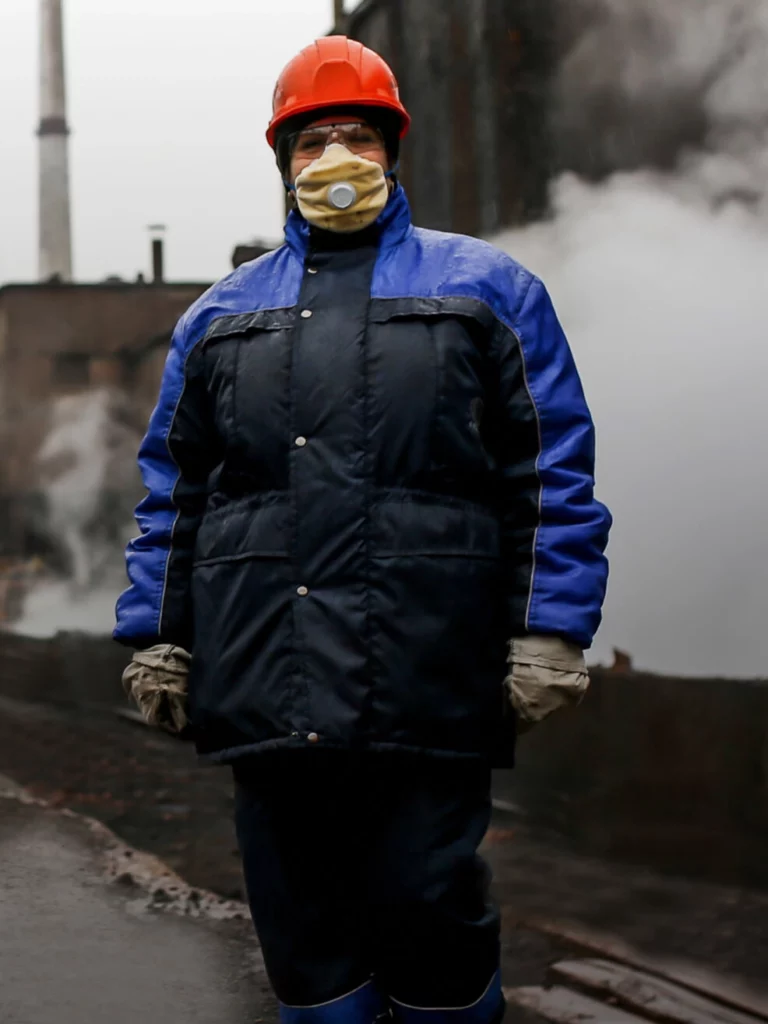
Elena Mazaeva CRANE OPERATOR UST-KAMENOGORSK, KAZAKHSTAN

Elena is a Crane Operator in Ust-Kamenogorsk, Kazakhstan, and has worked at Glencore for 34 years. She believes that openness is key to a strong team. Elena is proud of her ability to make those around her feel supported and comfortable.

Elena’s life changed dramatically when her daughter, Anya, was involved in a car crash. At the age of 16, she was left paralysed. In time, this tragic incident provided Elena with an idea that would help not just her family, but others, adapt to change.

Anya’s experience inspired her and Elena to become coordinators of a programme called ‘Accessible Kazakhstan’ in their town. Together, they visit different locations and analyse their accessibility.

“In our team, we spend a lot of time together. Everyone opens up quickly. We support each other and provide advice and help.”

Working with cranes can be demanding, but it’s a very interesting job. The most important thing is being precise and attentive. People need to be properly trained, so that they understand everything, and they need to feel comfortable in asking for feedback. That’s why being open and straightforward with them is so important. It’s an amazing moment, when you go up in a crane. Your world turns upside down. You feel like a bird, looking down at all the tiny people on the ground. You start thinking, “the world is so big and our lives are so small.” You feel that you have to do something with your life, because you need to appreciate each moment and person within it.

Anya’s accident turned our life upside down. For a long time, we couldn’t return to our normal lives. We needed psychologists, but they weren’t available where we lived. Our whole family began to feel different. It was difficult. The future was completely uncertain. I wouldn’t have been able to manage without such tremendous support from my team. My co-workers took me to the hospital when the accident happened and supported me the entire time she was there. It made me realise, the most important thing in life is health, especially for your children.

Everybody deserves to feel comfortable in life. We all should be able to enjoy life and have fun, but sometimes, you need to be well informed for that to happen and that’s what our project provides. My biggest achievement is the respect and love I receive from my children and my team at work. I like that people feel that I am open so they ask me for advice. The interns aren’t embarrassed to ask a lot of questions. I like teaching them all the details, so that they can work more efficiently and enjoy it more. In our team, we spend a lot of time together. Everyone opens up quickly. We share our joys and sorrows; we support each other and provide advice and help. That’s what life is about.

OPENNESS ALL THE WAY TO THE FRONT LINE

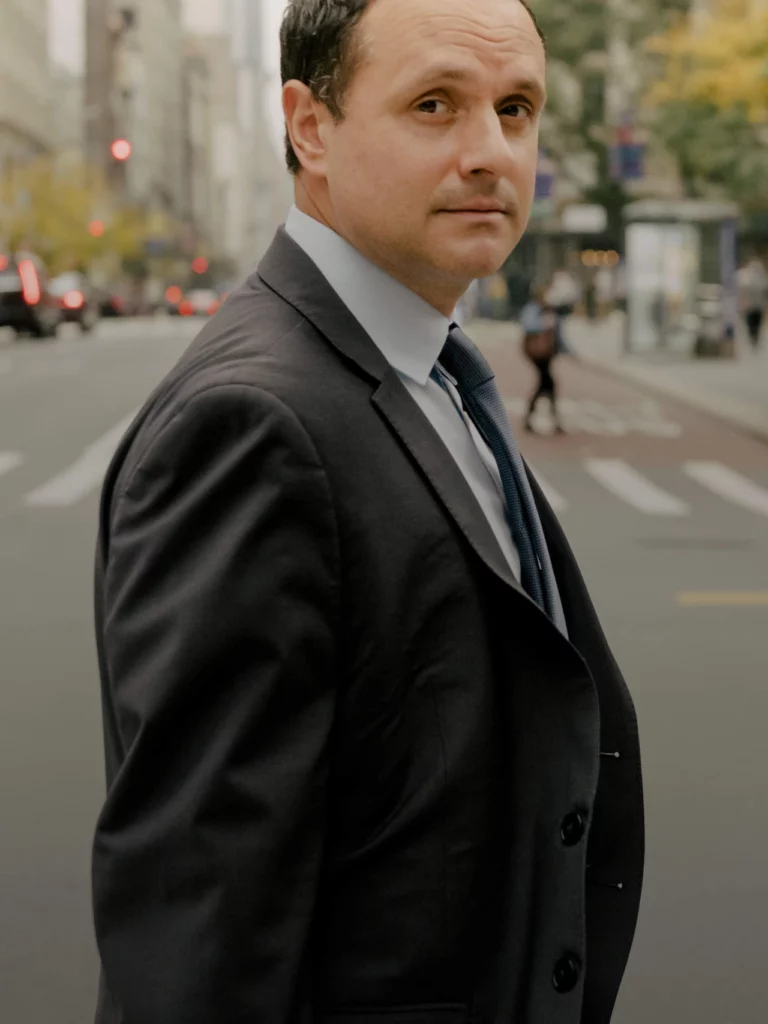
Andrew McNamara U.S. HEAD OF MARKETING OPERATIONS, OIL NEW YORK, UNITED STATES

Andrew, who has worked at Glencore for eight years and is based in New York, leads our US logistics activities for the Oil business. He’s proud of the trust he’s developed with the operators who handle the unique requirements of transporting oil. By making himself approachable, he ensures that communication is strong and clear and that mistakes are spotted early and managed.

Andrew holds weekly meetings for operators, providing a chance for them to give him feedback.

“Openness, to me, is trust. If you trust somebody you can be open.”

In logistics, you are responsible for getting a vessel from A to B. You take pride in everything from loading it successfully to discharging it properly so that ultimately the customer gets what they need on time and on budget. When you’re working on a specific oil product, it’s easy to develop tunnel vision. But it’s important to take a step back from the job at hand and look at the big picture, evaluating each situation from all aspects of the business. To do this, I need to listen to the operator. They are on the front line so they are seeing issues as they pop up and can bring them to my attention.

After something goes wrong, it’s important to ask: “What did we learn from it? How can we prevent this from happening next time? How can we do better?” It goes back to how you manage your day-to-day work and preparation. Prior to loading the vessel, did you make sure that you had all the items on your checklist? Could you have identified a problem earlier on? Were there preventive measures that you could have taken prior to giving the green light to start?

Throughout my career, I’ve learnt that when you come across a problem, the best thing to do is be upfront and humble. Asking for help is essential. The minute that you try to hide an issue is usually when it spirals out of control.

My core values at Glencore are the same as those outside of work. As a father and a husband, I make sure that I am honest and straightforward. At work, having an open-door policy gives the operators a platform to come in and talk to me about any issue they might be having. When you’re an operator, every vessel lives with you. It becomes part of your life because vessel loading takes 36 to 48 hours, and you could get a call at any time of day or night. Then it could be on the water for 10 to 15 days, and after that it has to discharge. Being able to relate to that with an operator, if they’ve had a rough night with the terminals and the inspectors, is something very valuable.

LIVING AND BREATHING SAFETY

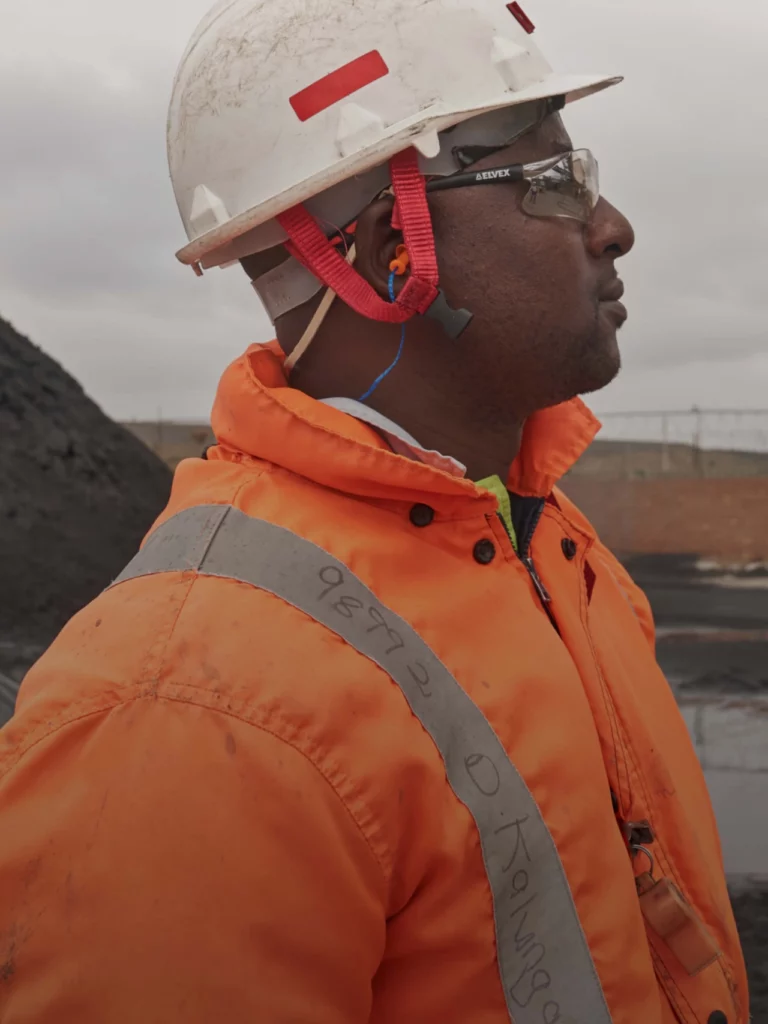
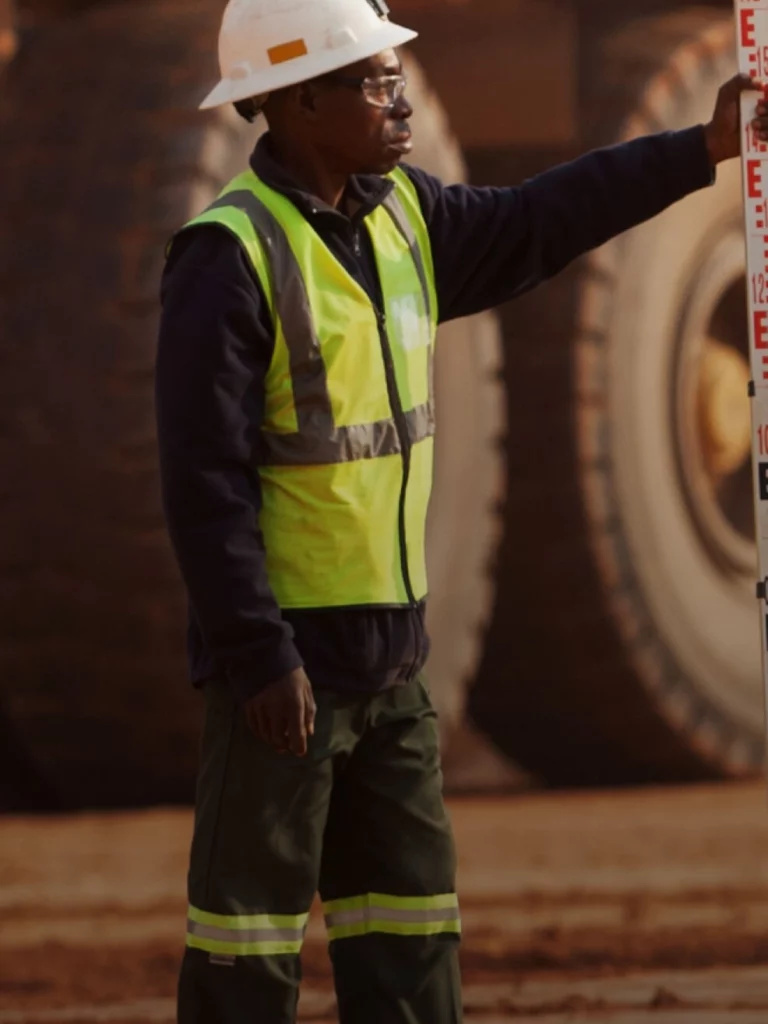
Daniel Kalunga SAFETY REPRESENTATIVE AND PLANT ATTENDANT RUSTENBERG, SOUTH AFRICA

Daniel is a Safety Representative and Plant Attendant in Rustenberg, South Africa, who has worked at Glencore for five years. He lives and breathes safety, at work and at home. He’s proud to be part of a global organisation that helps him learn from different countries’ best practices.

Outside of work, Daniel coaches primary and secondary school soccer teams.

Daniel’s sense of responsibility extends beyond his team. He also feels responsible for his local community and always considers the long-term impact and sustainability of the operations.

“The responsibility for safety starts with me. I need to be responsible enough to guarantee that you’re going to work under safe conditions.”

Safety is part of our daily lives. When we leave our homes and drive to work, we get in and instinctively fasten our seatbelts. At work, we must follow similar protocols to protect ourselves and others.

Again, it’s like driving a car. If you do not check things like the tyres, you are as much a danger to yourself as you are to other drivers. Safety is my number one priority from the moment I wake up in the morning. I never compromise when it comes to safety.

Before learning how to kick a ball, you need to learn the rules of the game. When you’ve got a full kit, soccer boots, shin pads – that’s your PPE. It’s the same at work. Before anything else, we always make sure that we’ve done a risk assessment. You need to look at the premises and check it is safe enough. Are there any hazards? If there are, do we have the correct tools or PPE to manage it?

This is a company that takes care of its communities. There are projects that help youngsters and remind them they are the leaders of tomorrow. At work the difficult part is conveying the need for leadership to a team. I can’t just lecture them and tell them they’re wrong. I need to think about how I can best communicate with different people. If I don’t correct you but allow you to do the wrong thing, that’s irresponsible and I haven’t acted with integrity.

You can’t be a safety representative without integrity.

INTEGRITY MEANS MAKING GOOD ON OUR PROMISES

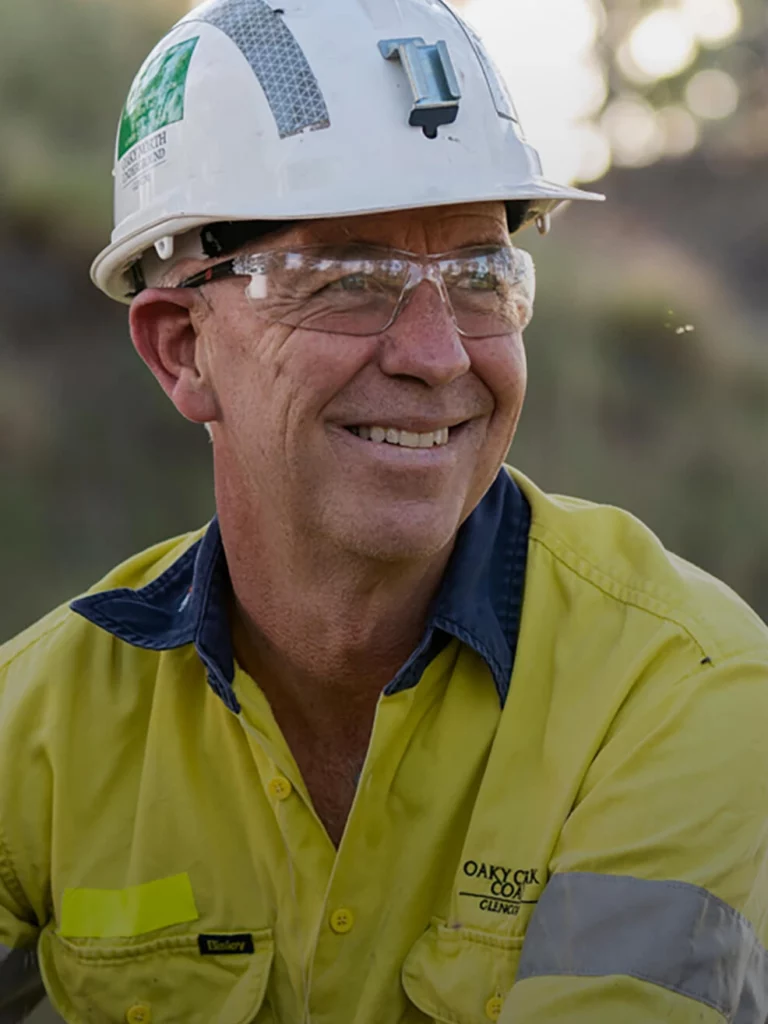
Brian French APPROVALS AND CULTURAL HERITAGE MANAGER BRISBANE, AUSTRALIA

Brian is an Approvals and Cultural Heritage Manager for our Queensland coal assets in Australia, who has worked at Glencore for ten years. He works with a range of government and community groups to support the conservation of Indigenous culture. Valuing honesty and openness above all else, Brian is able to mediate between multiple perspectives and make decisions he is proud to stand by.

Brian’s ability to communicate with a variety of people has developed throughout his career. Before working at Glencore, he worked as an economist, first in the sugar industry and then in government.

This year, Brian has worked on our Australian coal business’ employment programme for Indigenous groups. Of the 20 young Indigenous Australians who participated in the programme across our Queensland coal business, nine have already found permanent jobs.

“I work across a whole range of different stakeholders. Even if we have completely different perspectives, if we respect each other’s position we have a much better chance of reaching a mutually beneficial decision.”

My role is to provide guidance to teams needing approval to operate in a particular area. We work with the communities to conserve their heritage and ensure that the work we do will benefit them. When I’m working with an Indigenous community, it’s so important to be respectful. From a very young age, my parents instilled in me a respect for other people. They taught me to be honest; to yourself and in how you present yourself.

I work across a whole range of different stakeholders. Even if we have completely different perspectives, if we respect each other’s position we have a much better chance of reaching a mutually beneficial decision. My mantra is: “what we say is what we do”. We don’t just say things because it’s what they want to hear. If you’re not open and honest, you won’t ever be able to reach a decision. From a business sense, it pays to act with integrity.

“Our stakeholders know that what we say is what we do.”

My career transition might seem like an odd one, but one of my strengths is being adaptable. I can adapt to a variety of different environments. I’m very passionate about the work we do at Glencore. I’m proud of our environmental impact assessment process, our community engagement and Indigenous participation. In more recent times, we’ve gone beyond what I call the “transaction” and worked on developing relationships. We’ve explored how we can work together, how individuals can participate more in our business, and how we can bring positive generational change for a community.

It’s a very humbling achievement, knowing that young people have an opportunity, which otherwise might have passed them by. I take pride in doing what’s right. It’s never an option to take shortcuts. It’s about doing the right thing, not only in terms of what we are required to do by legislation, but also by working with the communities where we operate. We’re all part of a team and we have to work together. We have to trust each other, and together, we can make a difference.

OUR RESPONSIBILITY IS FOR LIFE

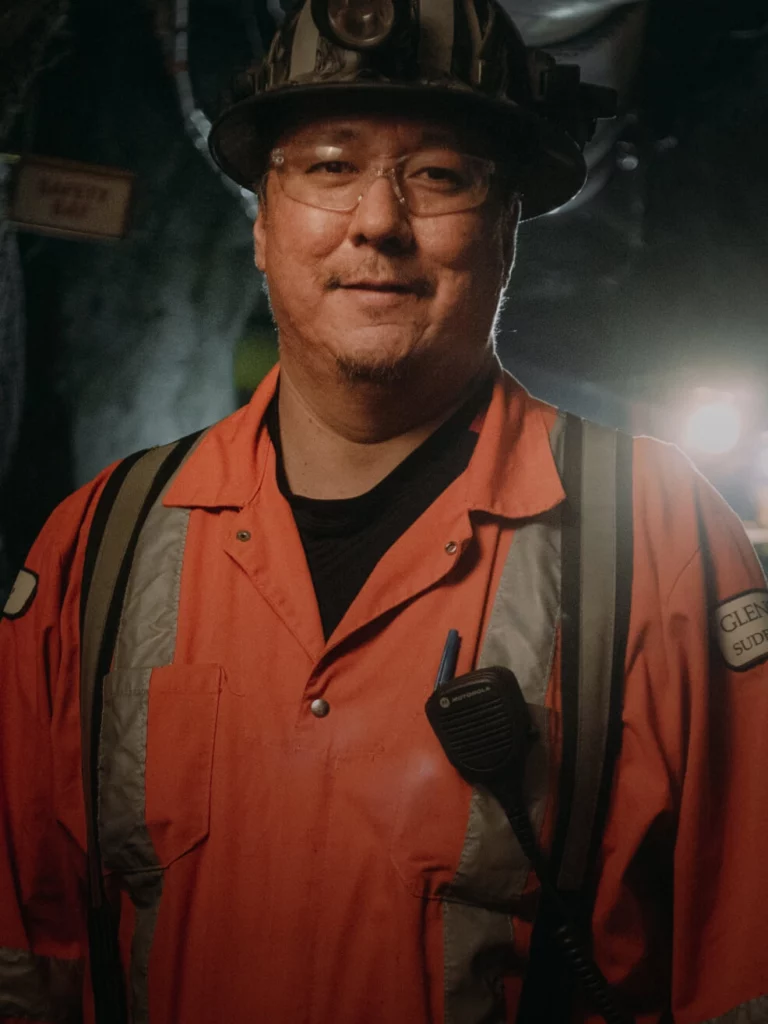
Shane Southwind UNDERGROUND MINER SUDBURY, CANADA

Shane is an Underground Miner in Sudbury, Ontario, Canada and has worked for Glencore since 2014. As a proud member of Sagamok Anishnawbek First Nation, growing up surrounded by nature, his deep respect for natural resources was instilled in him from early childhood. He carries this sense of responsibility for the environment in his day-to-day work.

As a truck driver at the mine, Shane’s sense of responsibility also applies to his safety and that of his colleagues. Shane says that every job in the mine has its own risks. To protect life and the environment, teamwork and communication are essential.

“We always have to be as aware as possible of what’s going on around us. Our mindset is very clean and efficient, and it starts with respect for nature.”

I’m amazed at what our environmental technicians can accomplish. The water that goes into the mine gets taken out and put back clean into the lake. We drive by it on our way to work and see the point where it goes from clear water back into lake water.

For me and my crew of around 15 people, safety is the number one priority. Staying accident-free for long periods of time has always been an accomplishment we’re very proud of. I operate a 40-tonne rock truck. We drive down to a heading, get it filled up from the scoop operator, and then bring it back up to the chute and drop it off. In a truck that big you need to pay close attention so you don’t bump into walls or damage the machinery.

We always have to be as aware as possible of what’s going on around us. We have our own radio channel for the truckers to communicate in the mine, which avoids any mishaps or bumps or spills. When giving instructions, it’s important to communicate simply. You just state where you are and where you are going, keeping it short, loud and clear. I’m proud of what we do. Our mindset is very clean and efficient, and it starts with respect for nature.

Nature has always been a part of my life. One of my earliest memories is of my grandmother’s food, wild food that was sourced nearby. My family taught me to treat the land with respect. Some of my family members work in the woods. They are woodworkers, lumberjacks, manual workers. They taught me; take care of the land, the lakes and the rivers and they will take care of you.

FROM SIMPLICITY COMES TRUST

Karina Ruiz SOCIAL AND WELLBEING WORKER HUARI, PERU

Karina is a Social and Wellbeing Worker in Huari, Peru. She ensures that frontline teams have what they need to do the best job possible – from a healthy diet, to up-to-date insurance for themselves and their families.

Having worked in health centres, hospitals and with the police, she excels in her ability to communicate with a wide variety of people.

Karina is responsible for everything to do with workers’ wellbeing, including their nutrition, recreation and medical facilities.

“Having had a career in social work it’s taught me not to overcomplicate things.”

My first job in the mining sector was as part of a social impact study. I worked with a team of psychologists, teachers and social workers, to comprehensively evaluate an area before we worked there. We spent three or four months going from door to door. But it wasn’t just a visit. It was about interacting with families and getting to know them. Some people were initially opposed to mining, because they worked in agriculture. I couldn’t just lecture them about mining. They wouldn’t have listened.

Openness is about having empathy with others. You always have to consider things from multiple perspectives. Not everyone thinks and acts in the same way. I used real examples to communicate with them. I explained what they could gain from it, that it could even improve their agriculture and benefit cattle breeding.

The objective is quality. There are always going to be difficulties along the way. You need to consider the measures that must be taken to achieve your goal, and the challenges that must be overcome. The solution has to be something that is sustainable in the long-term, that won’t fall at the first hurdle, but will improve bit by bit.

Food really changes everyone’s mood. If they eat well, they’ll be happy and they’ll work well. Having had a career in social work it’s taught me not to overcomplicate things. The workers often come to the office to talk to me. Sometimes they’ll sit down for a while and tell me stories about their life. This closeness helps me communicate with them. I try to speak in a simple, practical way, so that they understand.

Simplicity is about doing things in a pragmatic way without compromising safety or quality. It’s not about getting rid of someone’s problems, it’s about making them simpler and more manageable, so they can move on and accomplish things.

INTEGRITY IS DOING THE RIGHT THING EVEN WHEN IT’S HARD

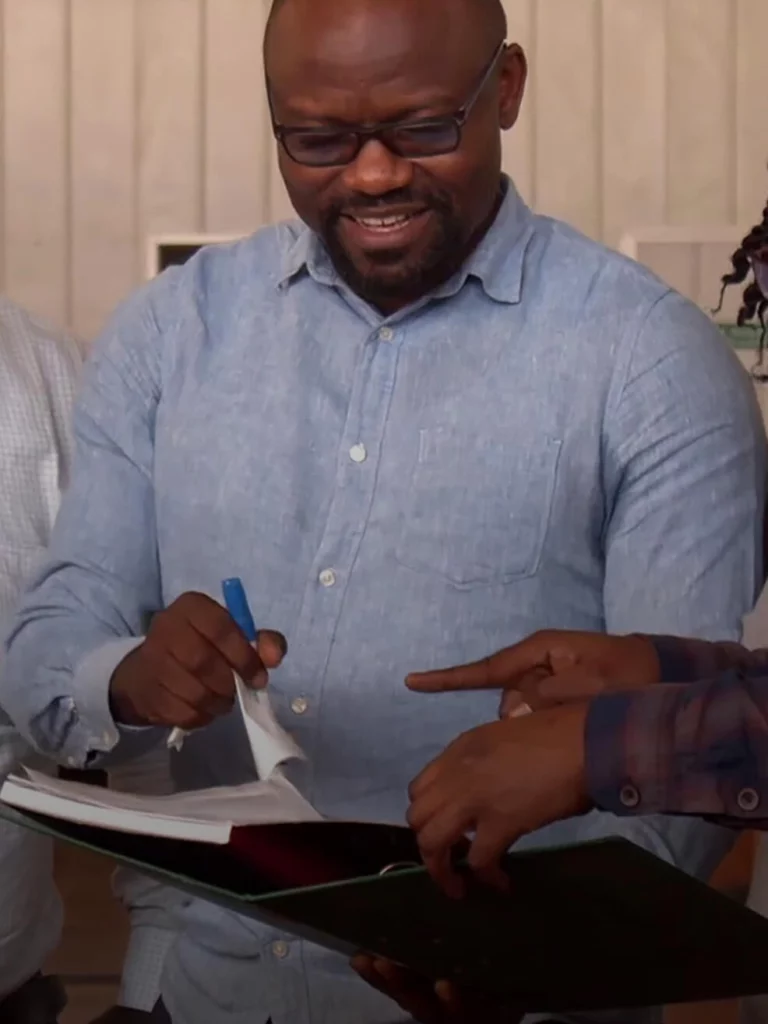
Emile Luketa LEGAL COUNSEL KOLWEZI, DEMOCRATIC REPUBLIC OF CONGO

Emile works as Legal Counsel at Mutanda, just outside of Kolwezi, Democratic Republic of the Congo (DRC). He has worked at Glencore for four years. Since childhood, integrity has been the guiding principle in his life. Earlier in his career, Emile had to make difficult decisions to stay true to what he believed. But working at Glencore, he feels that his work and personal values are aligned.

After studying hard at secondary school, Emile went on to law school, where he excelled in his exams. He began working at a private practice, but was shocked by the corruption he witnessed. He turned down bribes and refused to work on cases he didn’t agree with. Emile left the private law firm and completed a master’s degree in human rights. This was what led him to work at Glencore.

“You won’t be happy at work if what you are doing doesn’t align with your personal values.”

Integrity is part of my parents’ culture. When we were growing up, my mother always insisted that we show respect to everyone. She taught us to value our own things and not to take what wasn’t ours. If money was left on the table it would still be there two days later. If you are able to put yourself in another’s shoes, you are less likely to harm them. You need to be able to feel the pain that someone else might be feeling. To think: “If I have food on my plate, I need to help my neighbour have food on his plate as well.”

Integrity is doing the right thing at the right moment, even when no one is watching. It is being able to stand up and admit if you make a mistake, and to applaud the good work of others. At Glencore, we have high standards. We act responsibly. We excel beyond the required social and environmental standards and we have a range of programmes aimed at helping local communities prosper.

I think sometimes the public perception of mining companies is that they are damaging. That we are taking away the natural resources and getting more money than the community. But working at Glencore, I’ve been impressed by how we operate. We provide jobs; we give opportunities to employees; we are aligned under the right principles to do business.

Moreover, our leaders continue to move things in the right direction. In the four years I’ve worked here, I’ve already seen big improvements to rules and regulations. It’s not always easy to live with integrity. But whatever your background, cultural or religious heritage, we all have a common ground – humanity – and that means we need to live with a sense of wrong and right.

PRODUCTION BEGINS WITH SAFETY

Venance Challa MINER AND PRODUCTION SUPERVISOR KOLWEZI DEMOCRATIC REPUBLIC OF CONGO

Venance is a Miner and Production Supervisor in our mines at Kolwezi, DRC, and has been working at Glencore for 14 years. His responsibility is to ensure not just that production targets are met, but that safety protocols are being followed. Whether he is briefing operators or reporting an issue that needs to be fixed, he knows that one of the best ways to get results and ensure the safety of his co- workers is to communicate simply and clearly.

A key aspect of Glencore’s approach to safety is that with strong leadership, we can create a safe workplace. Venance exemplifies that leadership and believes that a workplace without fatalities or injuries is achievable.

Safety is an equally important aspect of Venance’s life at home. Being the father of young children, he understands that one of the secrets to creating a safe environment is being good at communicating.

“When you’re a supervisor, it doesn’t mean that you’re above everybody else. If you want to reach production targets, you need to speak well to everyone you work with, to create a cohesive team that works safely.”

We produce cobalt – a metal that is in rising demand – while respecting the safety rules. If it’s not safe, we stop work. When you’re working with large machines, it’s essential that you put safety before anything else. That’s why we always brief the operators before working, reminding them of the safety protocols.

Throughout the day, if I notice that any aspect of the work we’re doing goes outside the safety regulations, I put a stop to it immediately. For example, if an operator feels unwell, I can’t allow them to continue working. I tell them, “No, you can’t work the skips today. We’re going to find someone who’s fit to operate while we get you checked out.”

“We produce cobalt – a metal that is in rising demand – while respecting the safety rules.”

When you’re a supervisor, it doesn’t mean that you’re above everybody else. If you want to reach production targets, you need to speak well to everyone you work with, to create a cohesive team that works safely.

I enforce safety at work like I do when I’m at home. To protect all of us, it’s essential that I give clear and simple instructions. If I see the children playing with wires or sockets, I say “no, don’t do that”. I explain to them that there is an electrical current there, so it is not safe, and they mustn’t do it again. It’s the same at work. When I come across an unsafe practice, I tell the operator to stop and then call the coordinator so we can analyse what happened. Together, we find a way to fix the situation. Because we are here to mine and hit our targets, but in the safest, most efficient way possible.

OUR RESPONSIBILITY IS TO LISTEN

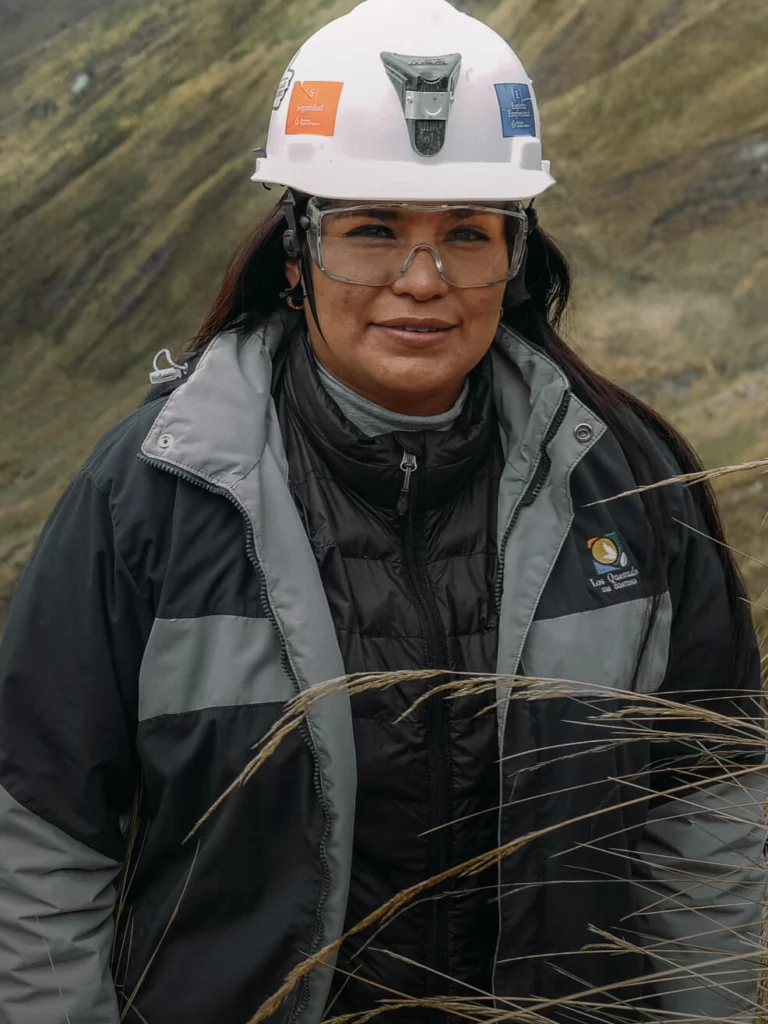
Astrid Salazar COMMUNITIES SUPERVISOR ANTOFAGASTA, CHILE

Astrid is a Communities Supervisor in Antofagasta, Chile, who has worked at Glencore for 13 years. She works with local authorities and farmers in the areas around Lomas Bayas, managing meetings and community programmes. She is proud of her ability to listen to a range of perspectives, finding solutions that are both beneficial to the community but also support Glencore’s social licence to operate.

Astrid was inspired to embark upon a career in social work by her mother, who worked in a home for underprivileged children. From a young age, she learnt how to listen and help vulnerable people, and discovered her talent as a communicator.

Astrid manages the company’s scholarship programme for local young people and self- development programmes for employees. She also represents the company at local fairs and public events.

“The fact that our work brings us so close to the community means that people have confidence in us, respect us, and know that we respect them.”

For us as a company, it is our responsibility to have a good relationship with all our stakeholders because when we properly engage with them, we can understand what they expect from us. Once a month, we hold community work groups, bringing together members of the community and Glencore colleagues. At the start of every session, I remind everyone that our priority is trust and transparency. We work on issues together, seeking a solution that everyone is happy with.

We also have various support programmes for farmers in Calama near Chile’s Atacama desert. We have agricultural specialists and a legal advice programme that can assist them with their queries. We also work with the Antofagasta Regional Hospital to provide them with medical support.

In my personal life, I try to be empathetic every day. Sometimes, when I speak with someone, I won’t have the answer to their problem on the spot. As part of the HSEC and Human Rights management team, I put my whole heart into my work. If I can’t solve a problem at a particular time, I get new input or look for other options.

The communities know they can count on us. I know this because in 13 years, the team I work with has had zero complaints. Last year, we gave a social grant to over 20 young people from the Chilean mining town of Baquedano. Many young people didn’t understand why they couldn’t get a job. We found out that most of them didn’t know how to prepare a CV or present themselves in an interview. Together with our Human Resources team, we worked to develop their skills and connect them with Lomas Bayas. I believe that giving tools to a community is fundamental. If we give them the tools, we can work together to build a long-term and sustainable future for them and for us.